The Doping Control Laboratory of the French Institute of Horse Racing
The Horse Racing Laboratory
Internationally recognised expertise
The Laboratory of Horse Racing (LCH), located in Verrières-le-Buisson, is affiliated with the National Federation of Horse Racing. At the forefront of anti-doping research for equids in Europe and worldwide, it has been one of the reference laboratories of the Fédération Equestre Internationale (FEI) for more than 10 years and of the IFHA (International Federation of Horseracing Authorities) since 2017.
Occupying approximately 2,500 m², the Horse Racing Laboratory brings together more than 60 collaborators under the leadership of Dr. Ludovic BAILLY-CHOURIBERRY, all dedicated to toxicology analyses, including 6 scientists who are members of the AORC (“Association of Official Racing Chemists”).
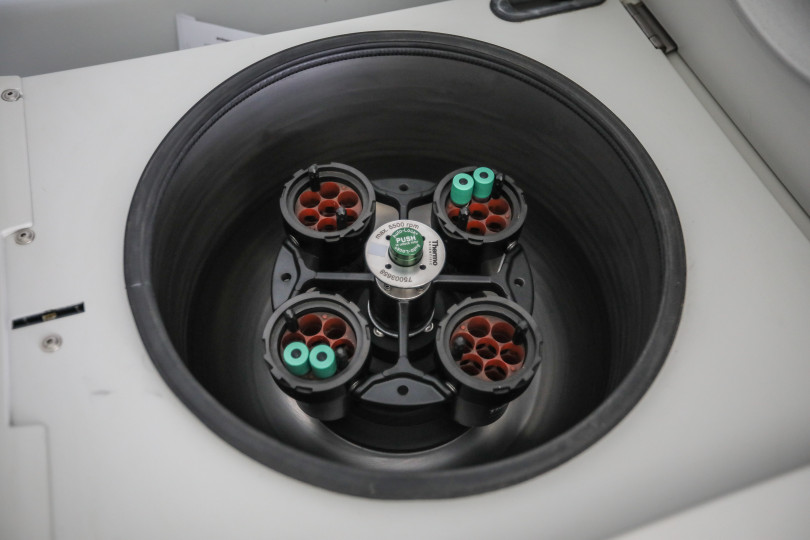
Advanced equipment dedicated to anti-doping control analysis
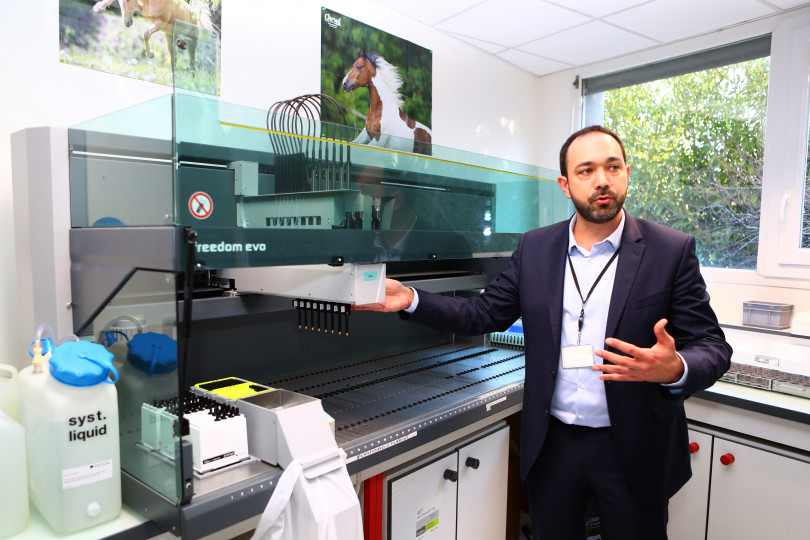
The Laboratory is equipped with state-of-the-art instruments, including more than 50 mass spectrometers.
The advanced techniques developed ensure reliable and specific detection and identification with appropriate sensitivity, while meeting regulatory and quality requirements.
The LCH is accredited by COFRAC in accordance with ISO 17025 and the ILAC-G7 document.
To fulfil its mission, the LCH comprises 5 analytical departments and one R&D department, bringing together 5 researchers, 3 technicians, and one or two Master’s or PhD students.
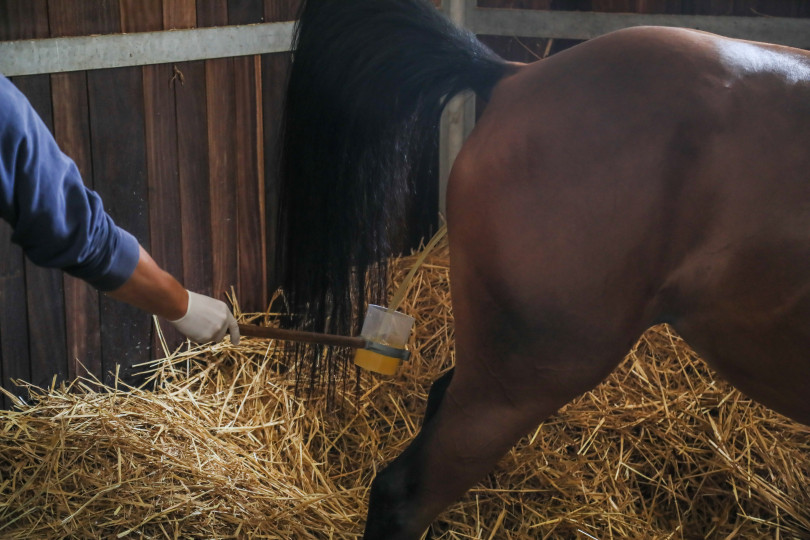
More than 40,000 samples analyzed every year
In 2025, the LCH analyzed nearly 30,000 samples collected from racehorses in training in France.
In addition, the Laboratory also analyzed:
- 6,084 samples on behalf of foreign racing authorities;
- 1,376 urine samples collected from jockeys as part of medication testing;
- 4,511 feed or supplement samples as part of testing for Prohibited Natural Feed Substances (SNAP).
In total, the Laboratory performs more than 300,000 analyses every year.
For each substrate sample (blood, urine, hair, etc.), the Laboratory of Horse Racing (LCH) receives two samples: an A sample, which is analyzed immediately, and a B sample, which is stored to allow a second analysis should the initial sample test positive.
Within the Laboratory, samples are processed anonymously through 20 specialized analytical lines, each designed according to the physicochemical characteristics of the substances being tested for. Other analytical lines are also available, for example, for specific confirmatory analyses.
All analyses are carried out under COFRAC accreditation.
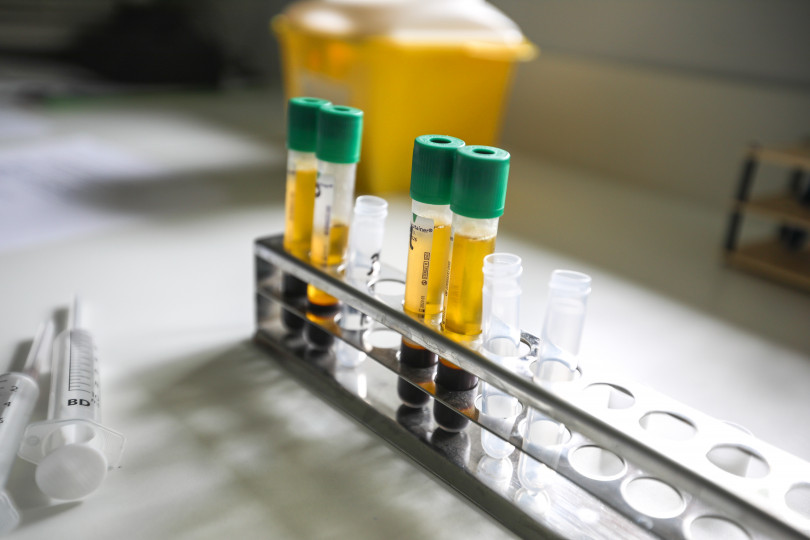
Research and Development Department
The Laboratory’s researchers participate in research programs in regular collaboration at both national level (National Veterinary Schools, Universities, the French Institute for Horses and Equitation) and international level (Universities, Industry, AORC, FIAH, FEI, European projects, etc.).
They publish articles every year in international peer-reviewed scientific journals.
Their work focuses in particular on:
- The detection of gene doping;
- The development of indirect fingerprinting methods to investigate the effects of molecules;
- The use of artificial intelligence to further enhance the interpretation of data generated by the Laboratory and to identify unknown substances using global databases;
- The automation and optimization of analytical methods to continuously expand the number of molecules that can be detected in a constant volume of blood and urine;
- Prospective technical monitoring, particularly in collaboration with government agencies such as Customs and the Central Service for Racing and Gaming (SCCJ).
Publications in international peer-reviewed journals
Discover the scientific publications of the LCH featured in international peer-reviewed journals.